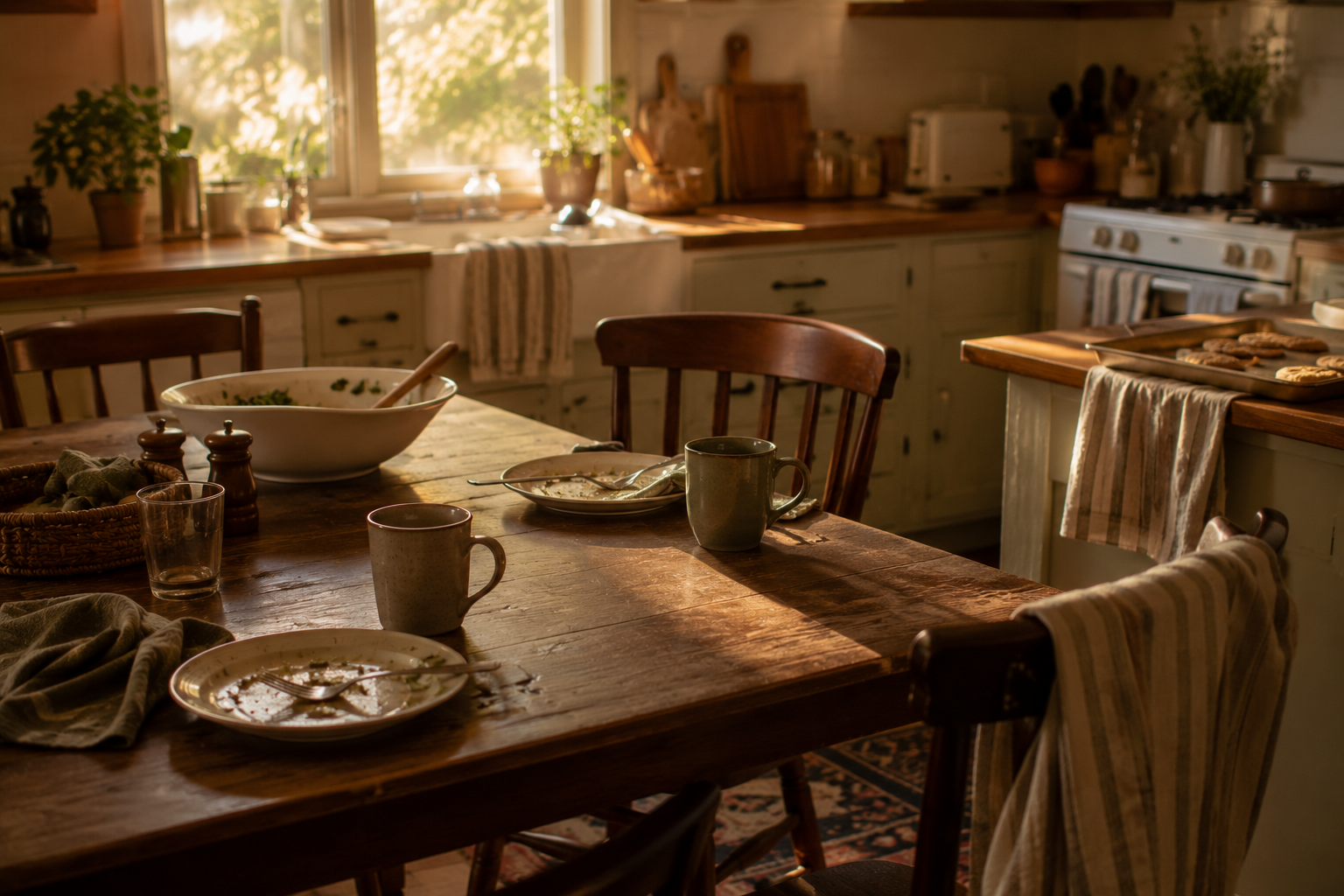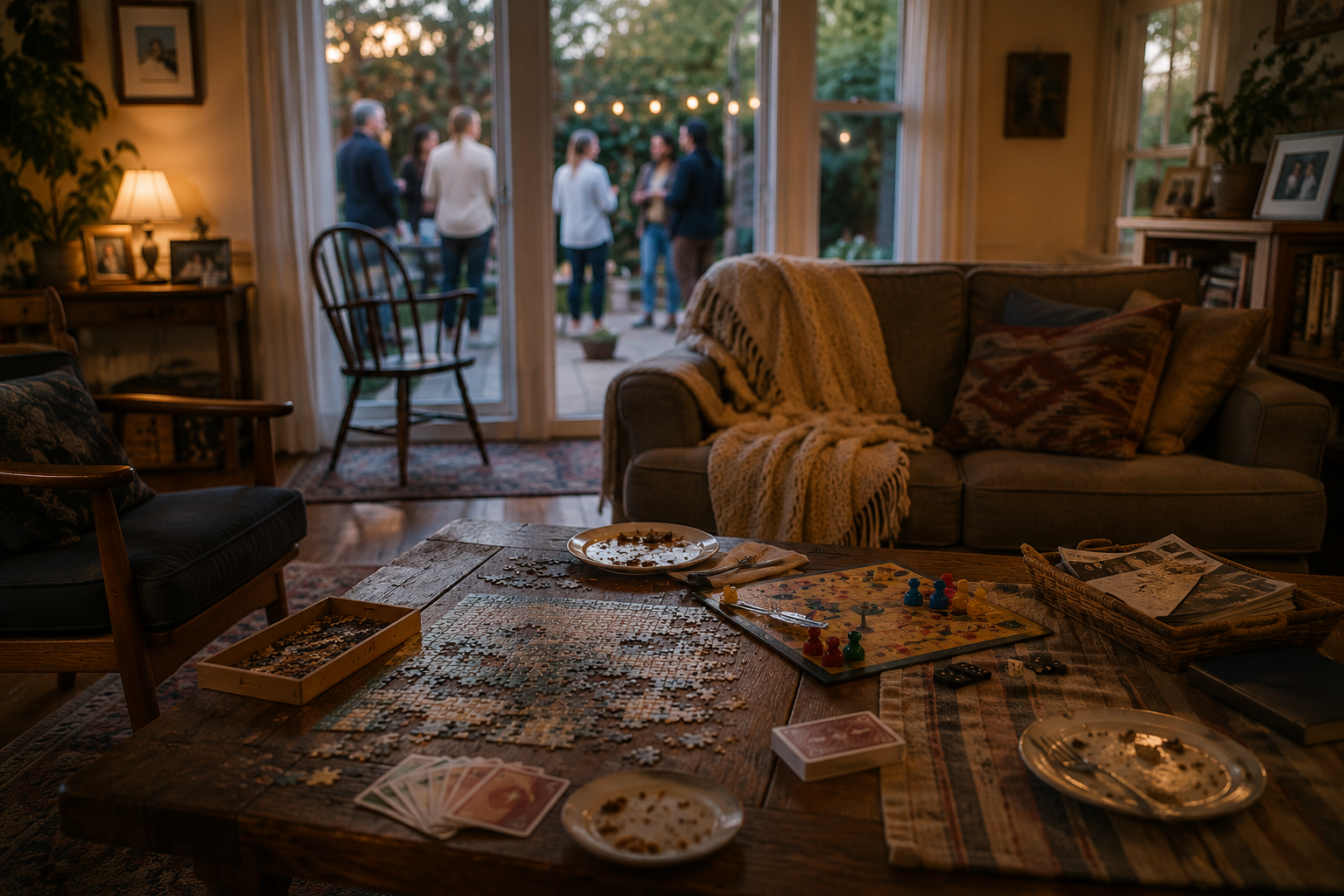
Special days often change after someone passes away.
Birthdays feel different. Holidays feel quieter. Family traditions can carry both warmth and sadness at the same time.
For many people, remembrance becomes especially present during the moments that once included someone they deeply loved.
Certain dates naturally carry memory
Some days return with emotional weight every year.
Families often feel remembrance most strongly during:
- birthdays
- anniversaries
- holidays
- family gatherings
- religious celebrations
- cultural remembrance days
These moments naturally reconnect people with memory and reflection.
Families remember in many different ways
There is no single correct way to honor someone after loss.
Some families:
- light candles
- prepare favorite meals
- share photographs
- tell stories
- visit memorial sites
- listen to music connected to loved ones
- revisit old videos or voice recordings
Others simply spend quiet time remembering privately.
Every family carries memory differently.
Ordinary traditions can become deeply meaningful
Often, the traditions people miss most are small ones.
A familiar recipe. A yearly phone call. A holiday routine. A favorite song played every season.
These ordinary rituals can carry emotional connection long after someone is gone.
Remembrance can exist alongside celebration
Many people feel conflicted during special days after loss.
Joy and grief often exist together.
Families may laugh while also missing someone deeply. They may celebrate while also feeling absence.
This emotional mixture is normal.
Remembering someone does not prevent happiness. It often becomes part of how families continue carrying love forward.
Photographs and recordings become more valuable over time
Special days often inspire families to revisit:
- old albums
- videos
- voice recordings
- handwritten notes
- family stories
These preserved memories can help people feel emotionally connected across time.
Sometimes hearing a familiar voice or seeing an old photograph becomes one of the most meaningful parts of remembrance.
New traditions often emerge after loss
Over time, families sometimes create new ways to remember loved ones.
A yearly meal. A memorial table. A shared story at gatherings. A saved collection of family memories.
These traditions help remembrance remain active rather than fading quietly over generations.
Future generations learn through remembrance
Children and younger family members often learn about loved ones through these moments of remembrance.
Stories shared repeatedly help preserve:
- personality
- values
- traditions
- emotional connection
Memory survives more easily when families continue speaking about the people who shaped them.
Remembering keeps connection present
Special days often remind families that love does not disappear simply because time passes.
A person may no longer be physically present, but memory continues through:
- stories
- traditions
- photographs
- voices
- shared moments of remembrance
Sometimes the act of remembering together becomes part of how families continue carrying one another forward.