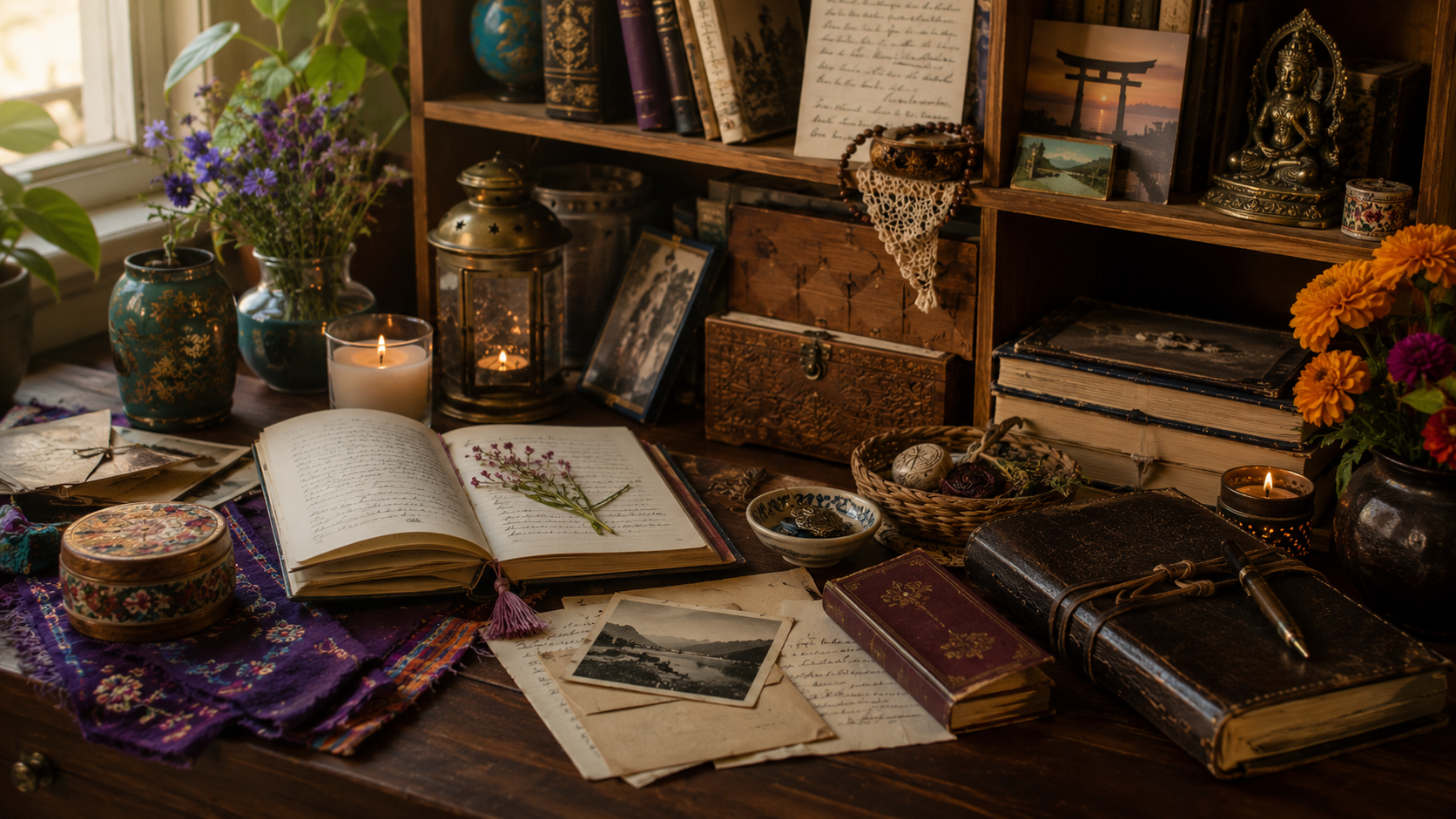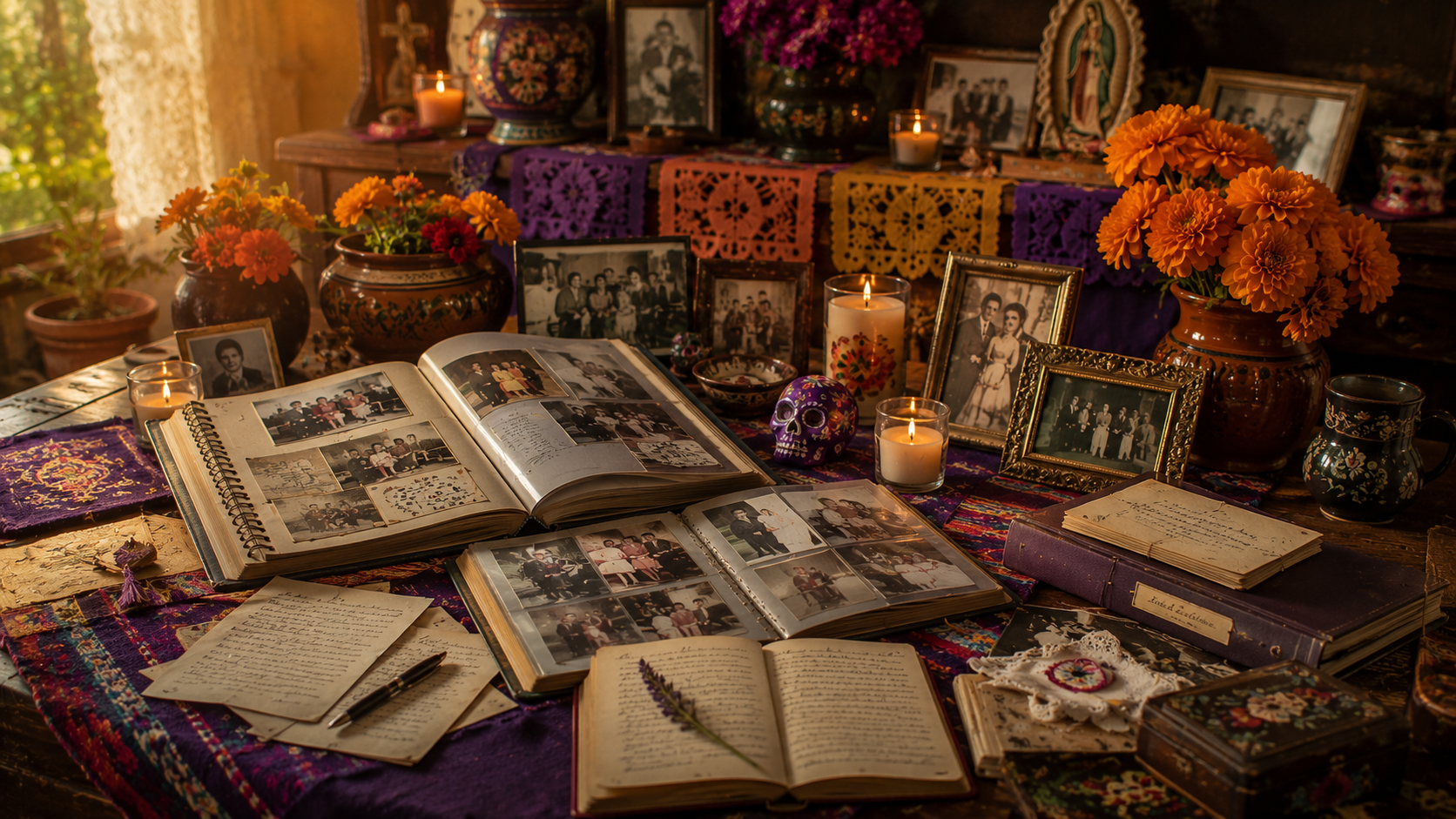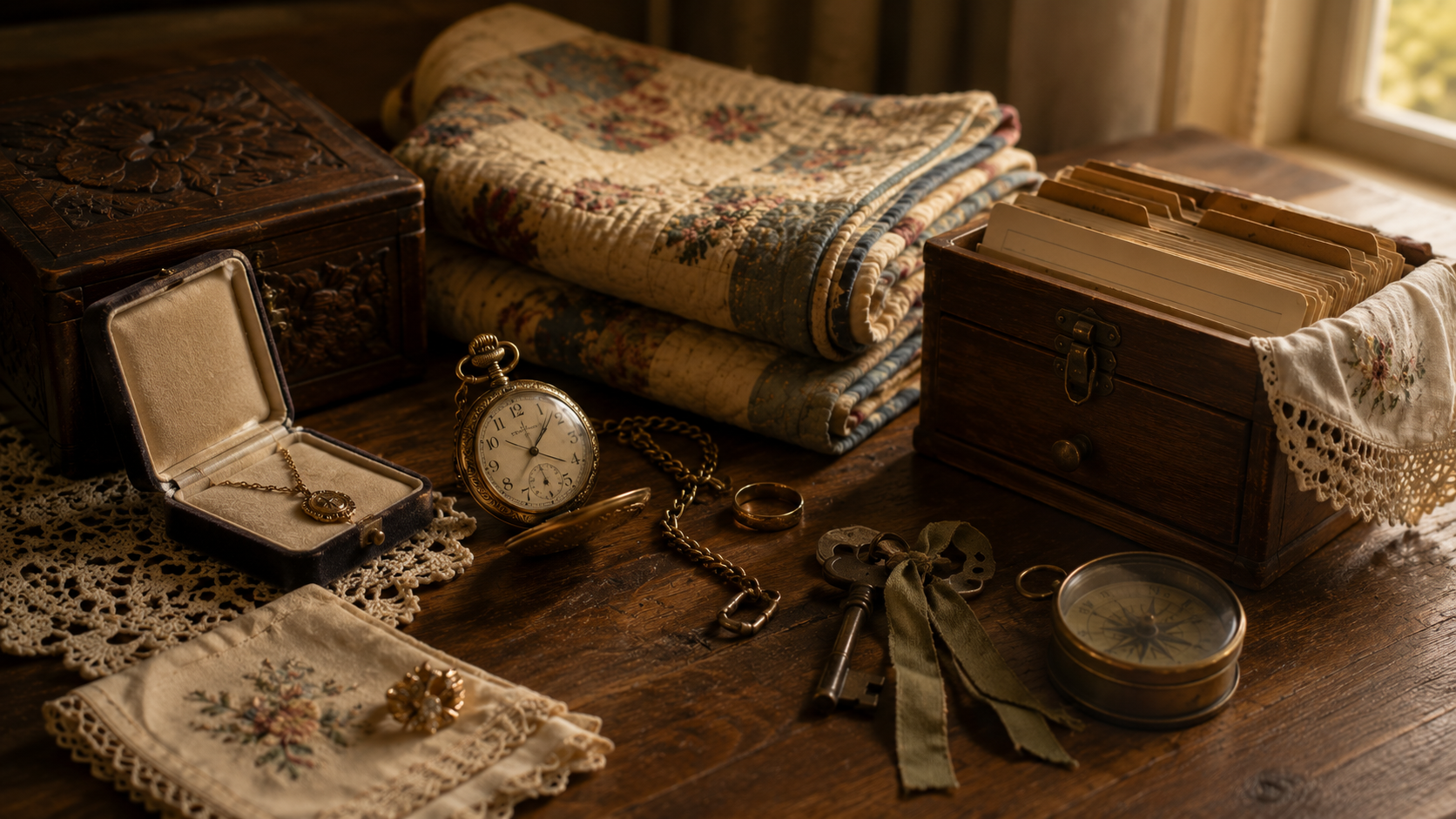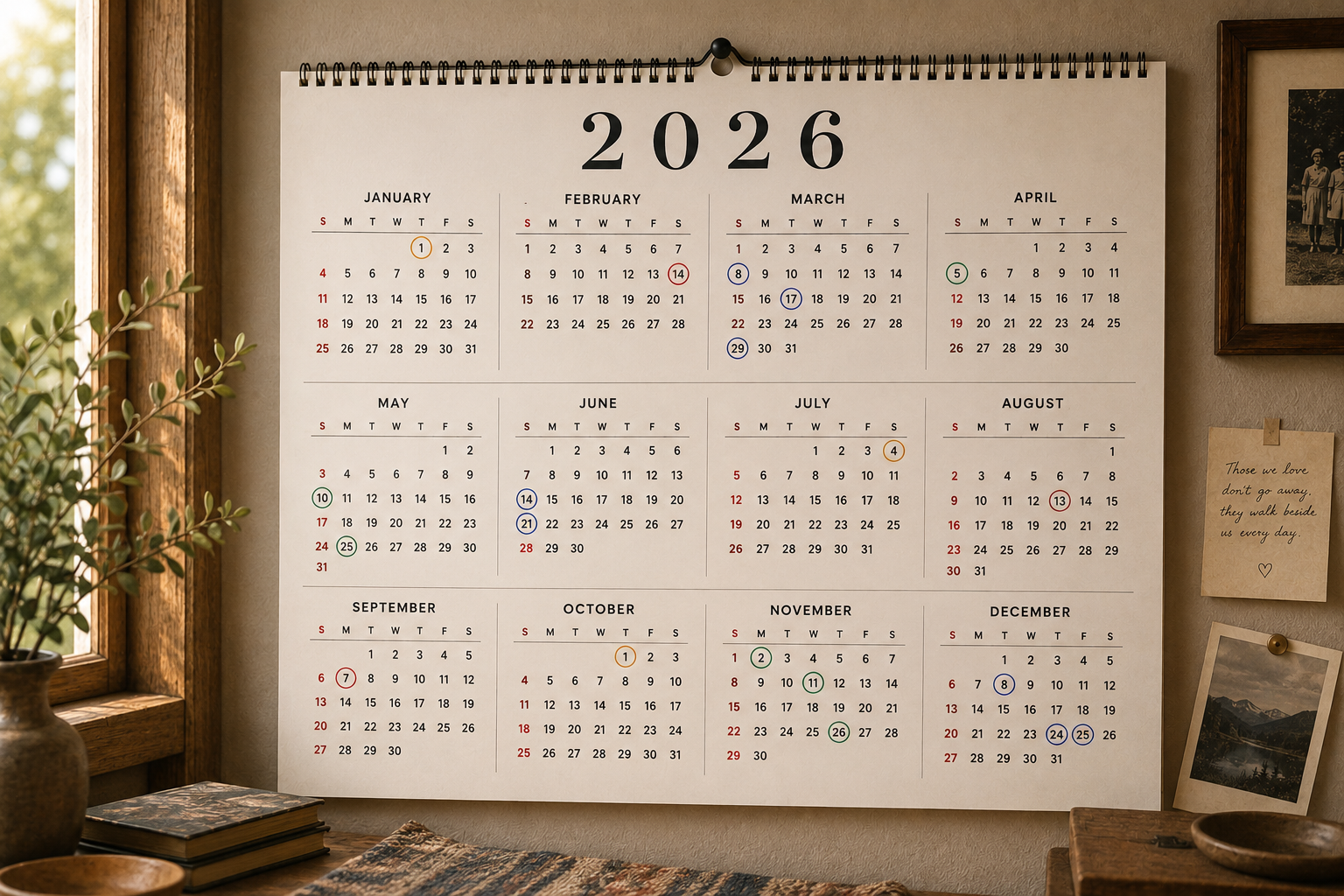
Across the world, many cultures dedicate specific days to remembrance.
Some holidays involve candles. Some involve food. Some involve prayer, storytelling, music, or visiting gravesites.
While traditions differ, remembrance holidays often exist for the same reason:
to pause ordinary life long enough to remember the people who shaped us.
Remembrance holidays create intentional space
Modern life moves quickly.
Work schedules, notifications, responsibilities, and constant distractions can make reflection difficult.
Remembrance holidays create moments where families intentionally slow down and reconnect with memory.
These days help people:
- gather together
- tell stories
- preserve traditions
- revisit photographs
- honor loved ones
in ways that everyday life often does not allow.
Every culture remembers differently
Remembrance traditions exist around the world.
Families may:
- light candles
- prepare favorite foods
- build remembrance tables
- share stories
- visit memorial sites
- display photographs
- preserve family traditions
The customs themselves vary widely.
But the emotional purpose remains deeply human and familiar across cultures.
Memory strengthens through repetition
Many remembrance traditions return yearly.
That repetition matters.
It helps preserve:
- names
- stories
- rituals
- family history
- emotional connection
When remembrance becomes part of tradition, memory is more likely to survive across generations.
Younger generations learn through tradition
Remembrance holidays often become moments where younger family members ask questions.
Who was this person? What were they like? Why did this tradition matter?
These conversations help family history remain alive rather than disappearing over time.
Remembrance is not only about grief
Many remembrance traditions also celebrate life, connection, and continuity.
Families often gather not only to mourn, but to:
- laugh
- remember stories
- reconnect
- celebrate traditions
- preserve emotional connection
Memory can carry warmth alongside sadness.
Technology changes remembrance, but not the need for it
Today, remembrance may also involve:
- digital photographs
- recorded voices
- family videos
- shared memory archives
- preserved stories online
But the emotional purpose remains ancient.
People still want ways to remember the people they love.
Remembering helps people feel connected across time
Remembrance holidays remind families that memory is not only about the past.
It also shapes:
- identity
- belonging
- tradition
- continuity across generations
Remembering someone helps keep their influence emotionally present within the family.
The act of remembering matters
Even simple remembrance can carry meaning.
Lighting a candle. Sharing a story. Looking through photographs. Speaking someone’s name aloud.
Small acts of remembrance often become part of how families continue carrying love forward through time.