Most people think the important memories are the big ones.
Birthdays. Vacations. Graduations. Holidays.
But over time, many families discover that the moments they miss most were ordinary ones.
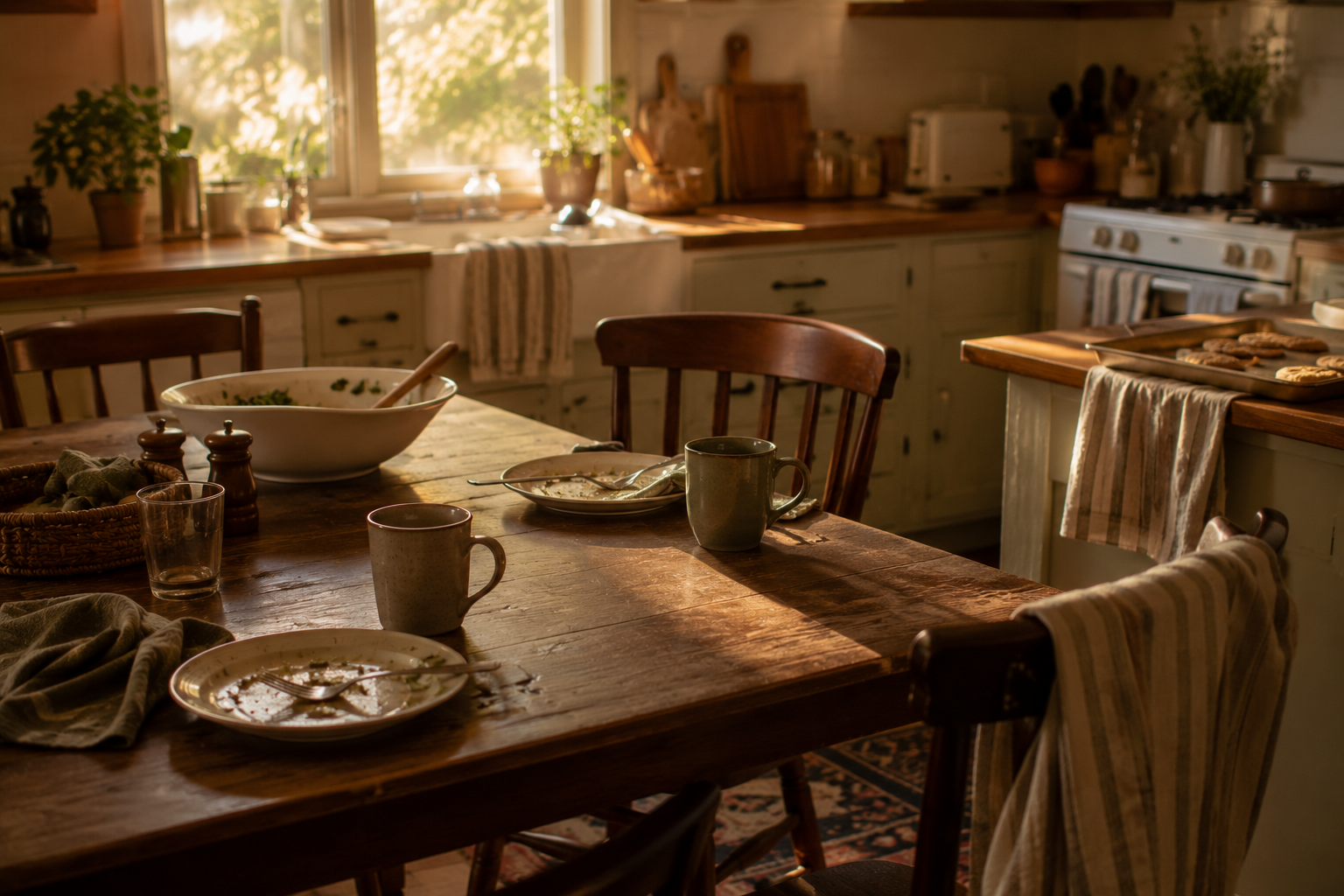
A parent cooking dinner. Someone laughing in another room. A quiet conversation in the car. The sound of a familiar routine.
These moments rarely feel important while they are happening.
Later, they can mean everything.
Memory is often built from ordinary life
Family history is not only made from milestones.
It is built from repetition:
- daily routines
- familiar voices
- inside jokes
- traditions
- small habits
- ordinary afternoons
The smallest details are often what make someone feel real in memory years later.
Why ordinary moments disappear so easily
Many everyday moments are never intentionally preserved.
People assume they will always remember:
- the sound of a laugh
- the way someone told stories
- small family traditions
- everyday conversations
But memory changes with time.
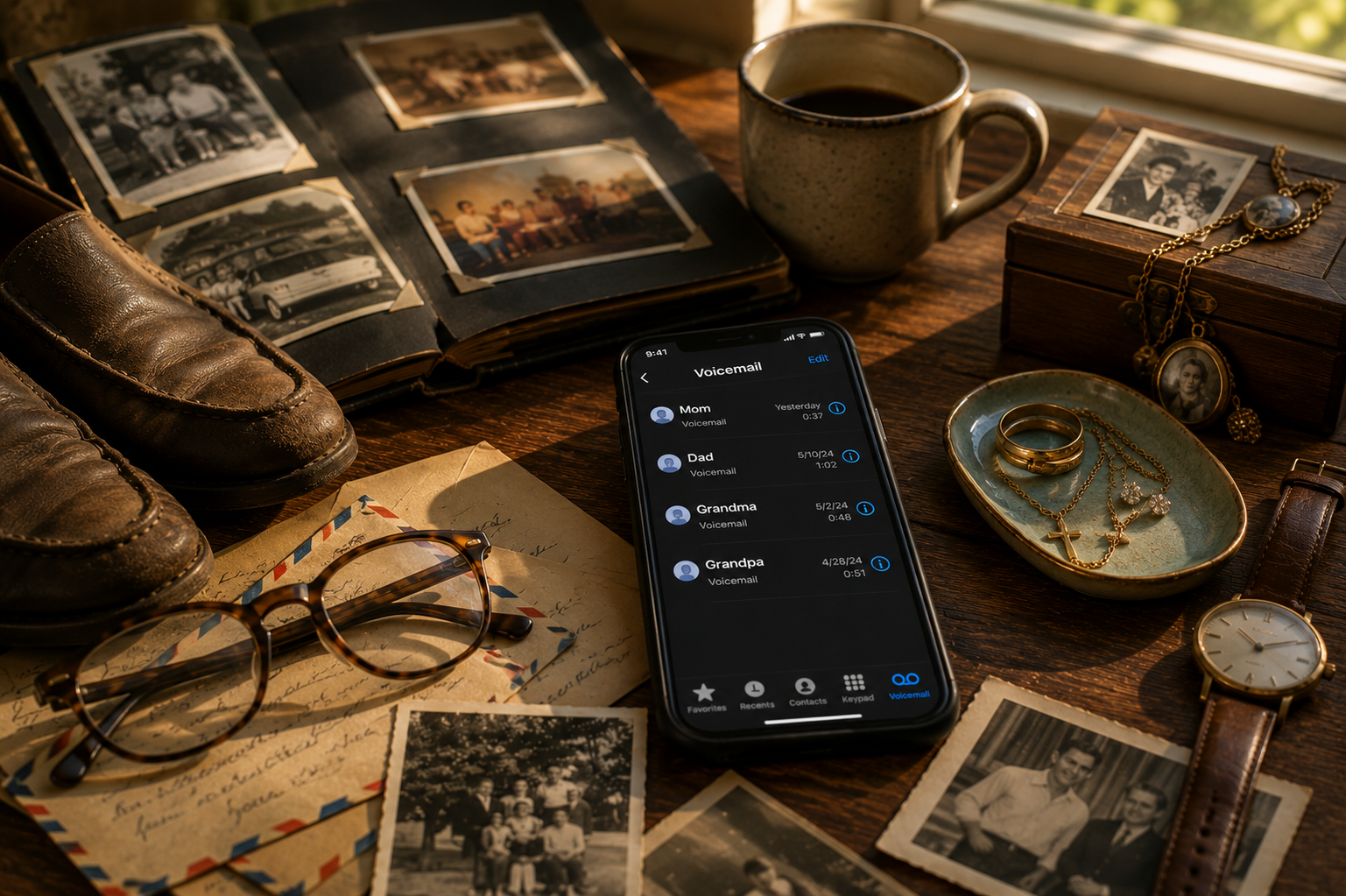
Photographs fade. Phones are replaced. Accounts are deleted. Videos become difficult to find.
What once felt permanent can disappear quietly.
Presence matters more than perfection
Perfectly staged memories are not the only ones worth keeping.
Sometimes the most meaningful photograph is slightly blurry. Sometimes the most important video is only a few seconds long. Sometimes background conversations become priceless years later.
Authenticity often matters more than quality.
The value of recording ordinary life
Many families now choose to preserve:
- short voice recordings
- casual videos
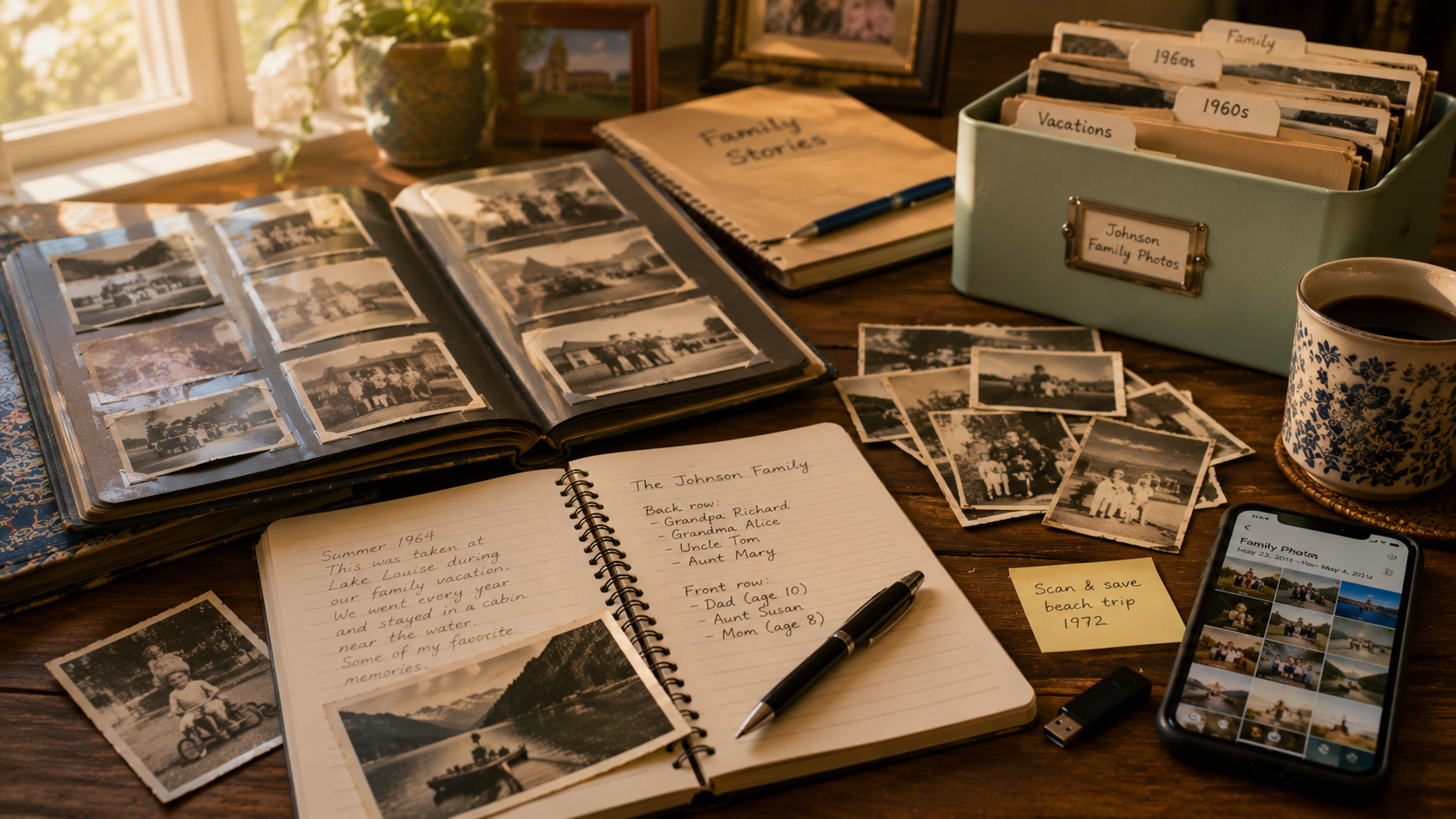
- written reflections
- family recipes
- stories from everyday life
- simple photographs taken at home
Not because the moments were extraordinary.
But because the people were.
Future generations look for the small things
Years from now, future generations may want to know:
- how someone spoke
- what made them laugh
- what daily life felt like
- what traditions mattered
- how a family connected with one another
Ordinary moments help answer those questions.
They turn family history into something human and personal.
Remembering what mattered all along
Often, the moments that shape a family most are the ones nobody thought to document.
A quiet evening. A familiar routine. A voice from another room.
The ordinary moments become part of what people miss, part of what people carry, and part of what people hope never disappears completely.